
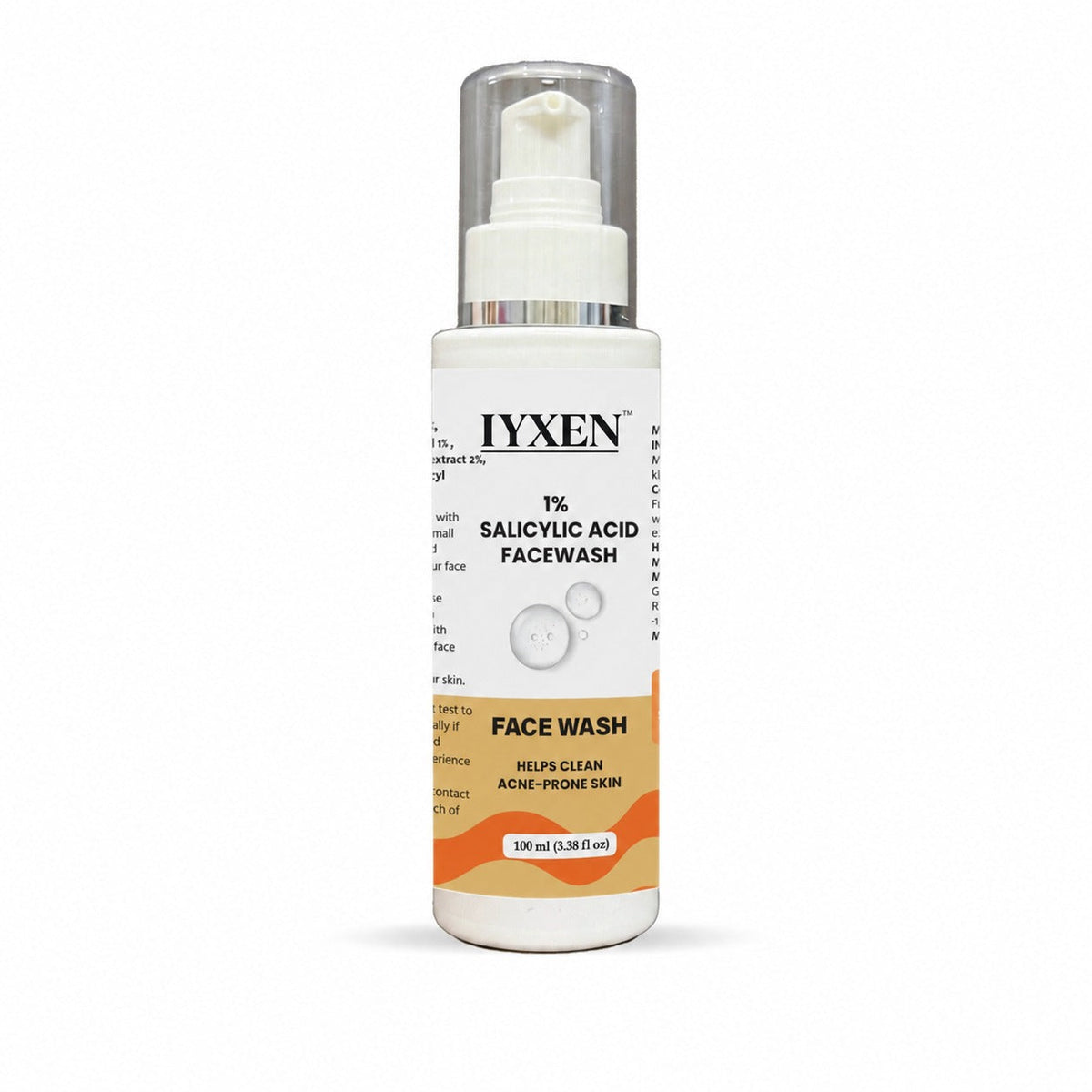
There is a particular kind of impatience that arrives with a breakout. We want to wash harder, exfoliate more and put something powerful on the spot until it disappears. Acne-prone skin usually responds better to the opposite approach: consistent cleansing, a targeted active and enough restraint to keep the skin barrier comfortable.
Salicylic acid earns its place in blemish-focused formulas because it is oil soluble. In simple terms, that makes it useful in routines designed around oily pores, blackheads and congestion.
What salicylic acid actually does
Salicylic acid is a beta hydroxy acid, or BHA. It is used as an exfoliating ingredient to help loosen the build-up of dead skin cells and oil that can contribute to clogged-looking pores. This makes it different from a physical scrub, which mainly works through friction at the surface.
That difference matters. Scrubbing a red, inflamed blemish does not “clean out” the problem; it can simply leave the surrounding skin more irritated.
Face wash versus serum
A salicylic-acid cleanser is rinsed away, so it can be a comfortable entry point for someone building a blemish-focused routine. A leave-on serum stays in contact with the skin for longer and should be introduced with more attention to frequency and tolerance.
IYXEN's newest Acne Clarifying range takes a broader approach rather than relying on salicylic acid alone. The Acne Clarifying Face Wash lists niacinamide, salicylic acid, mandelic acid, potassium azeloyl diglycinate, willow bark, licorice and green tea. The matching Acne Clarifying Serum includes niacinamide, potassium azeloyl diglycinate, mandelic acid, salicylic acid, willow bark, zinc PCA, allantoin and botanical extracts.
How to introduce an acne routine
Start with one meaningful change. Use the cleanser as directed and keep the rest of your routine simple: moisturiser and daytime sunscreen. If your skin remains comfortable and you want additional targeted care, introduce the serum gradually according to its product directions.
Pay attention to tightness, burning, excessive flaking or persistent redness. Those are signs to simplify, not signals to push through.
Oily skin still needs moisturiser
Oil and water are not the same thing. Skin can feel oily and still become dehydrated or irritated. A suitable moisturiser helps support comfort while you use exfoliating ingredients. Choosing a lighter texture can make this step more pleasant if rich creams feel heavy.
Do not build an acid collection
Salicylic acid, mandelic acid, glycolic acid and other exfoliants each have a place, but your face does not need to experience all of them at maximum frequency. If your cleanser and serum already contain exfoliating ingredients, be cautious about adding separate peels or strong exfoliating toners on top.
Clearer-looking skin is not the result of punishing your face. It comes from a routine that addresses congestion while keeping irritation low enough for you to stay consistent.
What results should you look for?
Instead of expecting every active blemish to disappear overnight, watch for trends: fewer new clogged pores, less oily congestion, smoother-looking texture and a routine your skin tolerates comfortably. Take progress photos every few weeks rather than evaluating your skin under harsh bathroom lighting every morning.
Know when acne needs medical care
Persistent, painful, cystic or scarring acne can need more than cosmetics. A dermatologist can help identify appropriate treatment and reduce the risk of long-term scarring. Skincare can support acne-prone skin, but it should not replace medical care when the condition is significant.